
Managing blood sugar levels is essential for overall health, especially for people with prediabetes, type 2 diabetes, or insulin resistance. While medication is sometimes necessary, a growing body of scientific research shows that lifestyle and dietary strategies can significantly lower blood sugar naturally. These approaches work by improving insulin sensitivity, slowing glucose absorption, and reducing inflammation.
1. Improve Diet Quality and Carbohydrate Choices
What you eat has the most direct impact on blood sugar. Carbohydrates raise blood glucose, but the type of carbohydrate matters greatly.
High-fiber carbohydrates—such as vegetables, legumes, whole grains, and berries—slow digestion and glucose absorption. Research consistently shows that diets rich in fiber improve glycemic control and reduce insulin resistance. Soluble fiber, found in oats, beans, and flaxseeds, is particularly effective because it forms a gel in the gut that slows sugar absorption.
In contrast, refined carbohydrates like white bread, pastries, sugary drinks, and candy cause rapid blood sugar spikes. Studies link high intake of refined carbs with higher fasting glucose levels and increased risk of type 2 diabetes.
Replacing refined carbs with whole foods is one of the most powerful natural interventions available.
2. Increase Physical Activity
Exercise lowers blood sugar both immediately and long-term. When muscles contract, they absorb glucose from the bloodstream without requiring insulin. This makes physical activity especially beneficial for people with insulin resistance.
Clinical studies show that moderate aerobic exercise (such as brisk walking, cycling, or swimming) improves blood sugar control and lowers HbA1c, a long-term marker of glucose levels. Resistance training is equally important; building muscle increases the body’s capacity to store glucose.
Even short bouts of movement—like walking for 10–15 minutes after meals—have been shown to blunt post-meal blood sugar spikes.
3. Maintain a Healthy Weight
Excess body fat, especially visceral fat around the abdomen, interferes with insulin signaling. Weight loss improves insulin sensitivity and reduces fasting blood glucose.
Research indicates that losing as little as 5–10% of body weight can significantly lower blood sugar levels in people with prediabetes or type 2 diabetes. This improvement occurs even before reaching an “ideal” weight, highlighting that small, sustainable changes matter.
Importantly, weight loss achieved through lifestyle changes (rather than extreme dieting) is more effective at maintaining long-term blood sugar control.
4. Optimize Protein and Fat Intake
Balancing carbohydrates with protein and healthy fats slows digestion and reduces glucose spikes after meals.
Studies show that higher-protein meals improve satiety and reduce postprandial (after-meal) blood sugar. Lean proteins such as fish, eggs, poultry, tofu, and legumes are associated with better metabolic outcomes.
Healthy fats—such as those found in olive oil, nuts, seeds, and avocados—also help regulate blood sugar. Diets rich in monounsaturated fats, like the Mediterranean diet, are linked to improved insulin sensitivity and lower diabetes risk.
5. Reduce Chronic Stress
Stress hormones such as cortisol and adrenaline raise blood sugar by stimulating glucose release from the liver. Chronic stress is therefore a hidden contributor to elevated glucose levels.
Research demonstrates that stress-reduction techniques—including mindfulness meditation, deep breathing, yoga, and progressive muscle relaxation—can lower fasting glucose and improve insulin sensitivity.
Even small daily practices, such as five minutes of slow breathing, can reduce cortisol levels and support better blood sugar control over time.
6. Prioritize Quality Sleep
Sleep deprivation disrupts glucose metabolism and increases insulin resistance. Studies consistently show that people who sleep fewer than six hours per night have higher blood sugar levels and a greater risk of developing type 2 diabetes.
Poor sleep also increases hunger hormones, leading to overeating and cravings for high-sugar foods. Improving sleep duration and quality—by maintaining consistent sleep schedules, reducing screen exposure at night, and creating a dark sleep environment—can meaningfully improve blood sugar regulation.
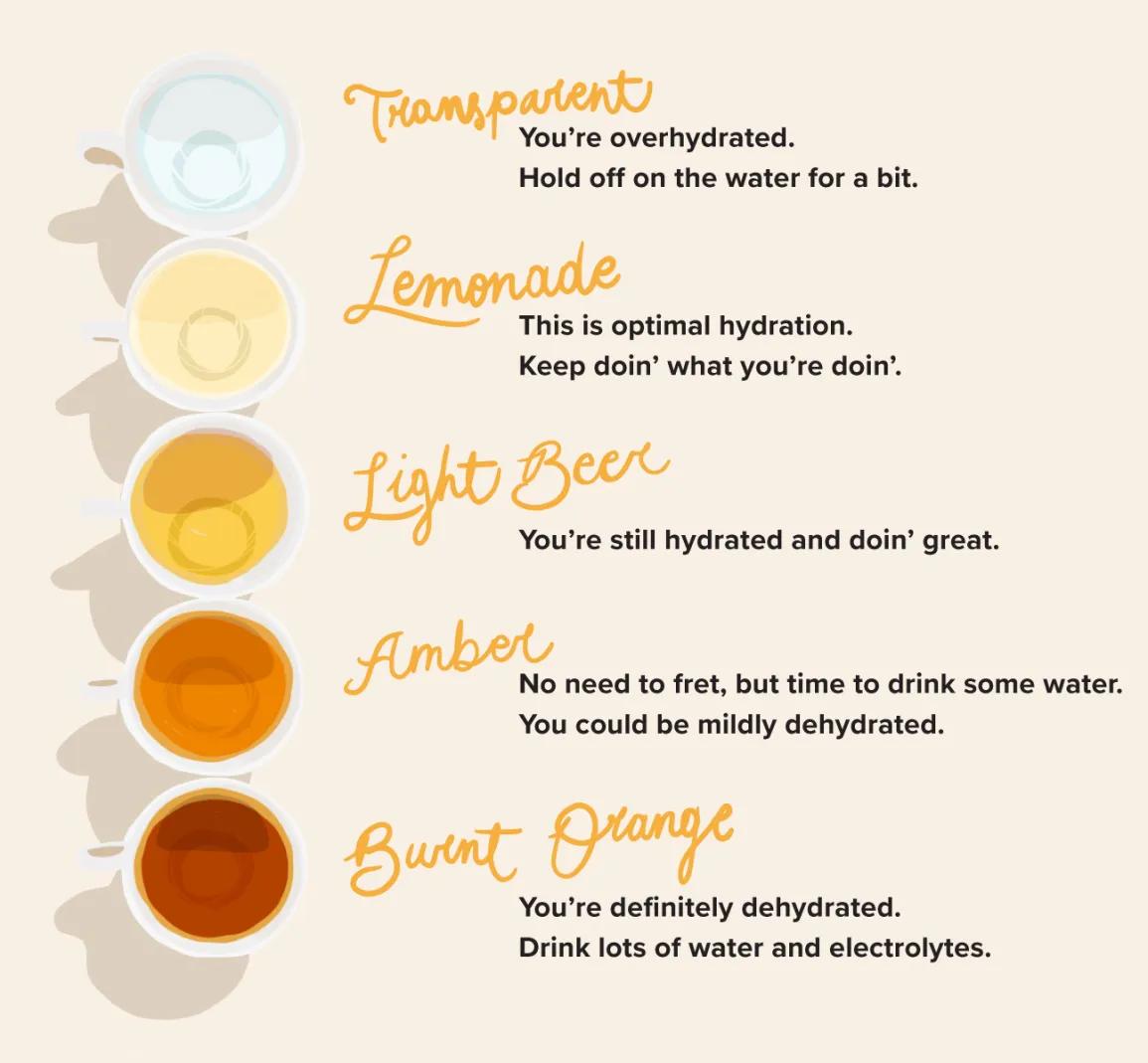
7. Stay Hydrated
Adequate hydration helps the kidneys flush excess glucose through urine. Observational studies have found that people who drink more water tend to have lower fasting blood sugar levels.
Replacing sugary beverages with water is particularly effective. Sugar-sweetened drinks are strongly associated with insulin resistance and diabetes risk, whereas water, unsweetened tea, and black coffee show neutral or beneficial effects.
8. Use Evidence-Supported Foods and Nutrients
Certain foods and compounds have demonstrated blood-sugar-lowering effects:
Cinnamon has been shown in multiple studies to modestly reduce fasting blood glucose.
Apple cider vinegar may improve insulin sensitivity when consumed with meals.
Magnesium-rich foods (leafy greens, nuts, seeds) support glucose metabolism, and low magnesium levels are associated with higher diabetes risk.
These should complement—not replace—core lifestyle changes.
Conclusion
Lowering blood sugar naturally is not about quick fixes but about consistent, evidence-based habits. Improving diet quality, staying active, managing stress, sleeping well, and maintaining a healthy weight work together to enhance insulin sensitivity and stabilize glucose levels. Scientific research strongly supports these strategies, making them powerful tools for long-term metabolic health.






Write a comment ...